
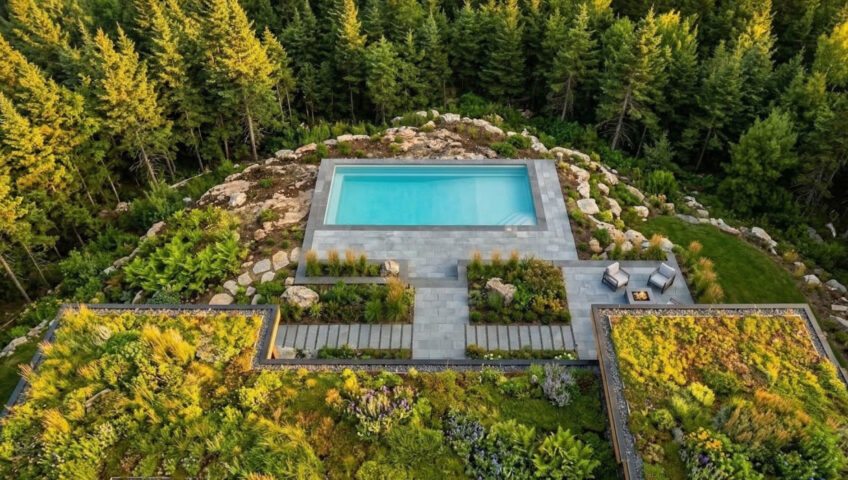
Sustainable construction is becoming a priority for both homeowners and developers. One of the most effective ways to make a building more environmentally friendly is through the installation of a green roof.
A green roof is essentially a layered system that allows plants to grow on top of a building. Beneath the vegetation lies a carefully engineered structure that includes waterproof membranes, drainage layers, soil media, and plant material. When designed properly, the system becomes a functional extension of the building’s landscape.
One of the biggest advantages of green roofs is stormwater management. Traditional roofs shed rainwater immediately into drainage systems, which can overwhelm municipal infrastructure during heavy storms. Green roofs absorb and store a significant portion of rainfall, allowing water to evaporate slowly or be used by plants. Some systems can retain large amounts of annual rainfall that would otherwise become runoff.
Energy efficiency is another key benefit. Vegetation and soil create an insulating layer that reduces heat gain in summer and heat loss in winter. This natural thermal buffer can reduce reliance on air conditioning and heating systems, lowering both energy costs and carbon emissions.
Green roofs also contribute to improved air quality. Plants capture dust, pollutants, and carbon dioxide while releasing oxygen. At the same time, they help reduce noise levels by absorbing sound waves, which can make buildings in busy urban areas noticeably quieter.
In addition to these environmental advantages, green roofs simply look incredible. Instead of bare asphalt or membrane roofing, property owners gain a living landscape that changes with the seasons and adds visual interest to the skyline.
As sustainability continues to shape the future of architecture and landscaping, green roofs are becoming a powerful tool for creating greener, healthier communities.